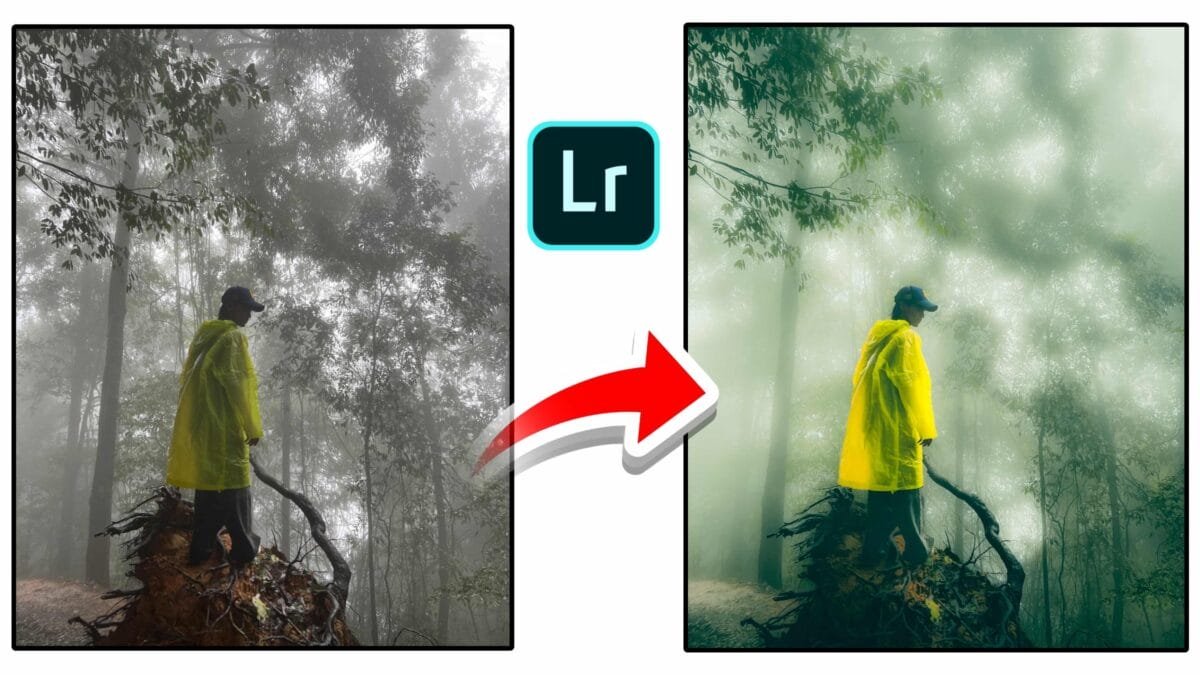
Improvements & AI Tools
The Lightroom 2026 update marks a major step forward in Adobe’s photo-editing ecosystem. With powerful AI tools, improved performance, and better cross-device workflow integration, this release aims to save time and expand creative possibilities for both hobbyists and professionals. Below is a detailed look at the headline features and practical benefits of the 2026 update.
1. AI-Powered Generative Remove
The standout feature in the 2026 update is Generative Remove, powered by Adobe Firefly AI. This tool lets you remove unwanted objects—people, poles, trash, or stray shadows—with a single selection. The removed area is intelligently filled to match surrounding textures and tones, producing natural-looking results even in complex scenes.
Use case: travel photographers and social media creators will find this feature especially useful for quick cleanups before sharing images.
2. Enhanced Lens Blur with AI Controls
Lightroom’s Lens Blur receives a substantial upgrade. Improvements include better subject detection, a selection of bokeh presets (cinematic, creamy, soft focus), and manual depth controls for fine-tuning. The result: realistic background blur even on images shot with small-sensor cameras or higher f-stop values.

3. Adaptive Profiles for Faster Color & Tone
The new Adaptive Profiles automatically adjust tone, contrast, and color based on image type—portraits, landscapes, HDR, sunset shots, and more. These smart starting points speed up edits and improve consistency across a shoot or client gallery.
4. Faster RAW Processing & Non-Destructive Workflow
Performance improvements in 2026 include quicker RAW loading, faster preview generation, improved noise reduction, and smarter highlight/shadow recovery. Lightroom continues to use non-destructive editing, meaning all changes are stored as instructions—your original files remain untouched.
5. Smarter Duplicate Detection
Advanced duplicate detection can now find copies even when filenames, metadata, or export history differ. This feature is a major time-saver for photographers with large libraries, multi-backup imports, or long-term archival workflows.
6. Improved Cloud & Local Storage Controls
Lightroom 2026 introduces better storage management tools: move cloud photos to local drives, archive directly from the cloud, and selectively sync albums. These options help manage large catalogs without constantly expanding cloud storage plans.
7. Expanded Tethered Capture & Studio Features
Lightroom Classic gains wider tethering support and more stable connections for popular camera brands, enhancing studio workflows. Faster tethering and improved previews make the app more reliable for fashion, product, and commercial shoots.
8. Mobile & Web Improvements
- Quick Actions for fast single-click fixes (blemish removal, auto-tone)
- Improved background removal on mobile
- Smarter AI search and tagging
- New mobile-friendly presets and faster export
These enhancements make it much easier to start edits on the phone and finish on desktop without losing fidelity or control.
9. Overall Speed & Performance Boosts
Across the Lightroom ecosystem Adobe focused on responsiveness: faster AI masking, reduced lag for large catalogs, smoother batch edits, and better GPU acceleration. Photographers using high-megapixel cameras will see more fluid behavior and shorter wait times.
Conclusion
Lightroom 2026 is a substantial update that blends AI innovation with practical workflow enhancements. From Generative Remove and advanced Lens Blur to adaptive profiles and smarter storage controls, the release helps photographers work faster and produce higher-quality results with less effort. Whether you’re a travel shooter, studio pro, or social media creator, this update provides tools that streamline editing while expanding creative possibilities.
Tip: Before upgrading large catalogs or mission-critical workflows, back up your catalog and test the new features on a copy—especially if you rely on third-party plugins.