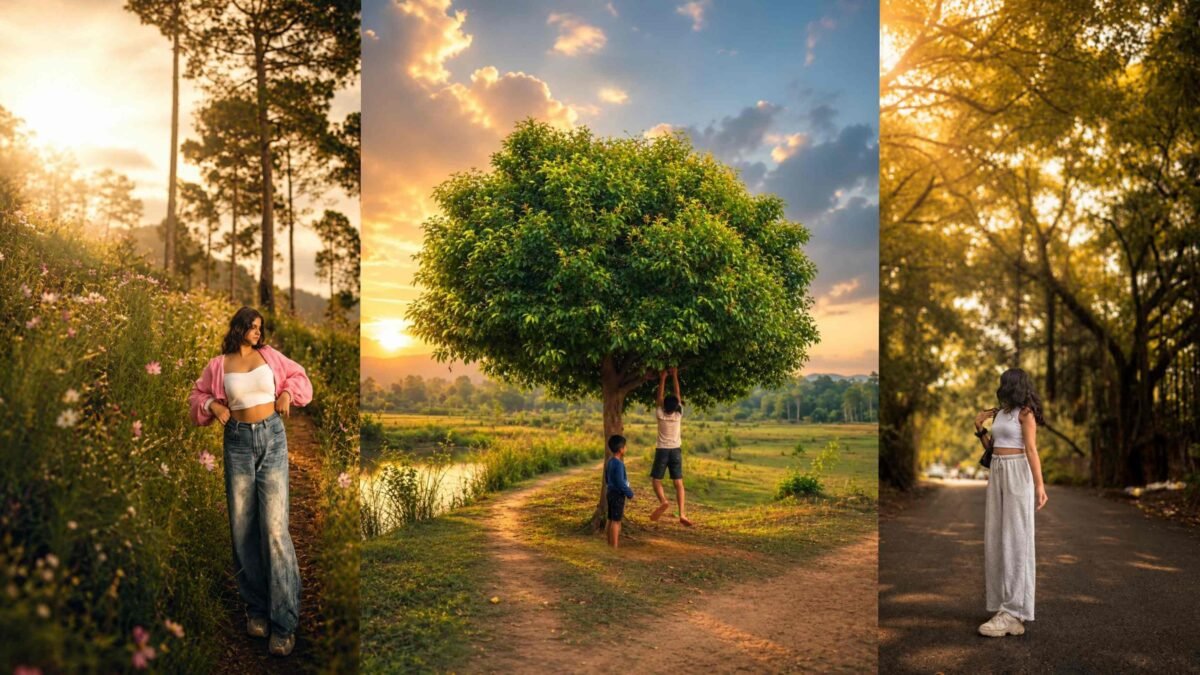
Complete Guide for 2025
Whether you’re a professional photographer, digital artist, or casual creator, choosing the right photo editing tool can dramatically improve the quality and style of your images. With powerful AI tools, advanced retouching options, and easy-to-use interfaces, today’s editors help anyone create stunning visuals. This guide highlights the best photo editing tools available in 2025 — along with their features, pros, and suitable use cases.
1. Adobe Lightroom
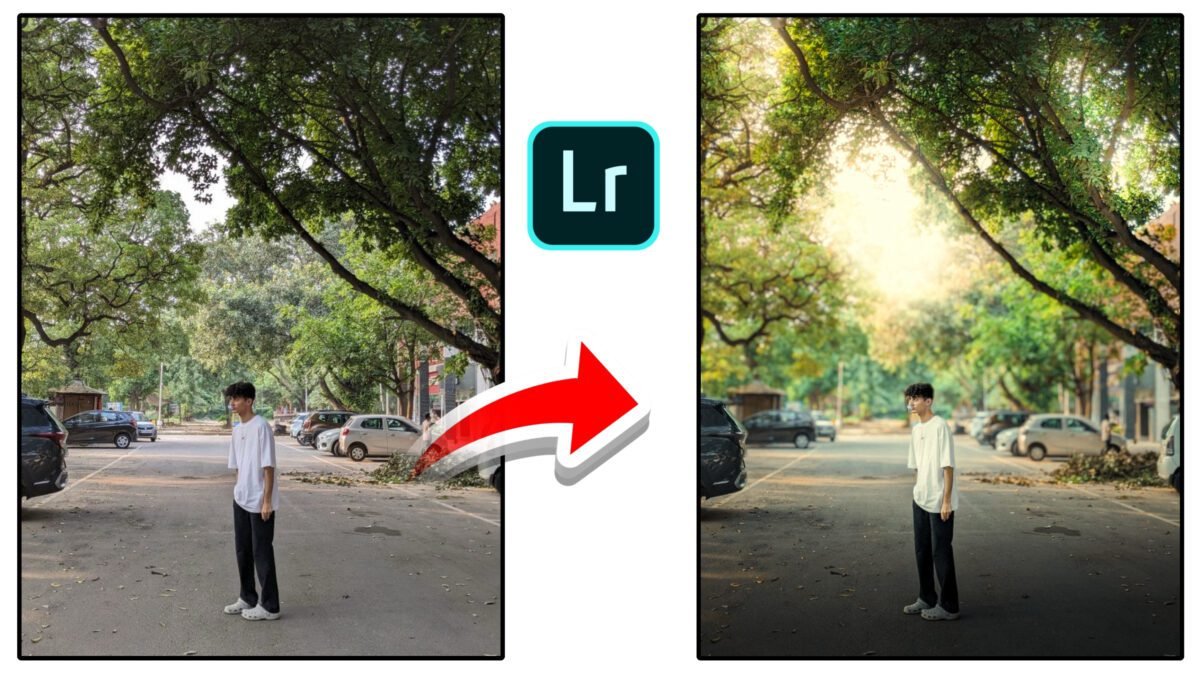
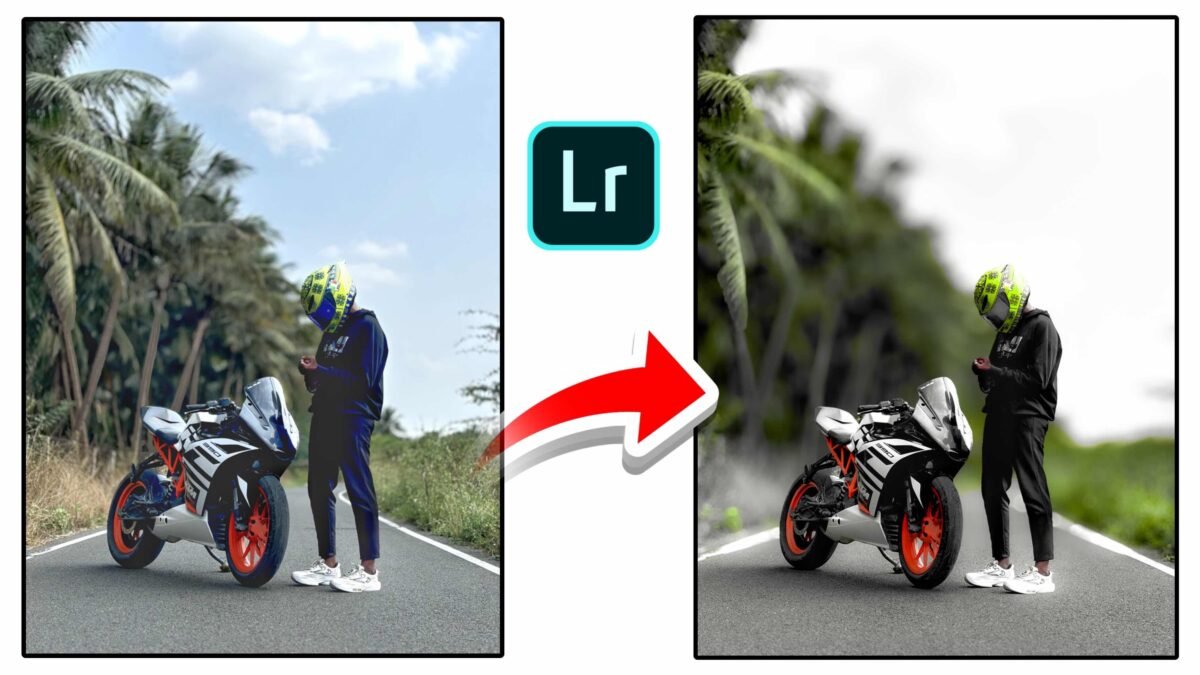
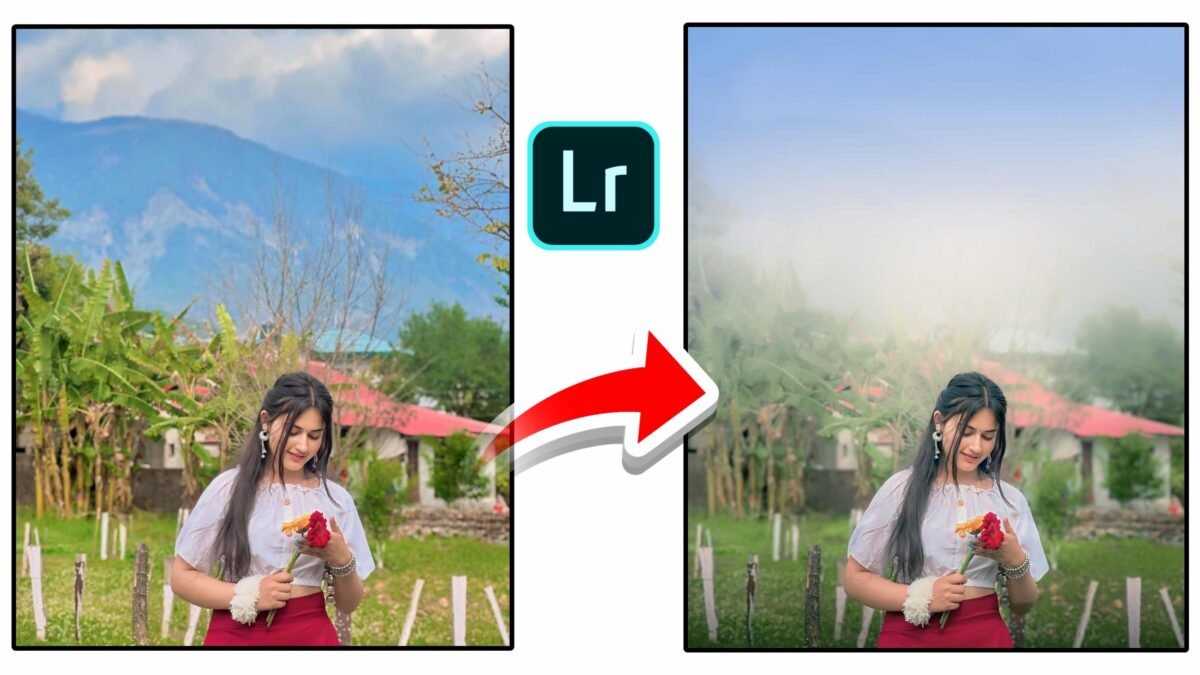
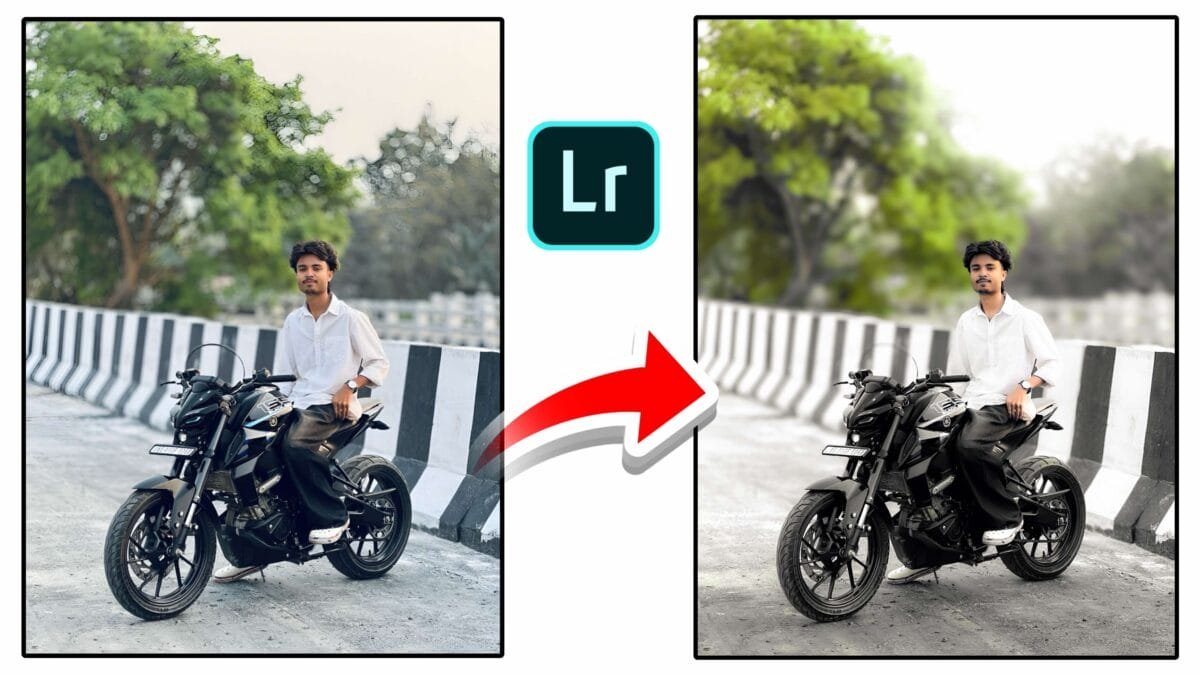
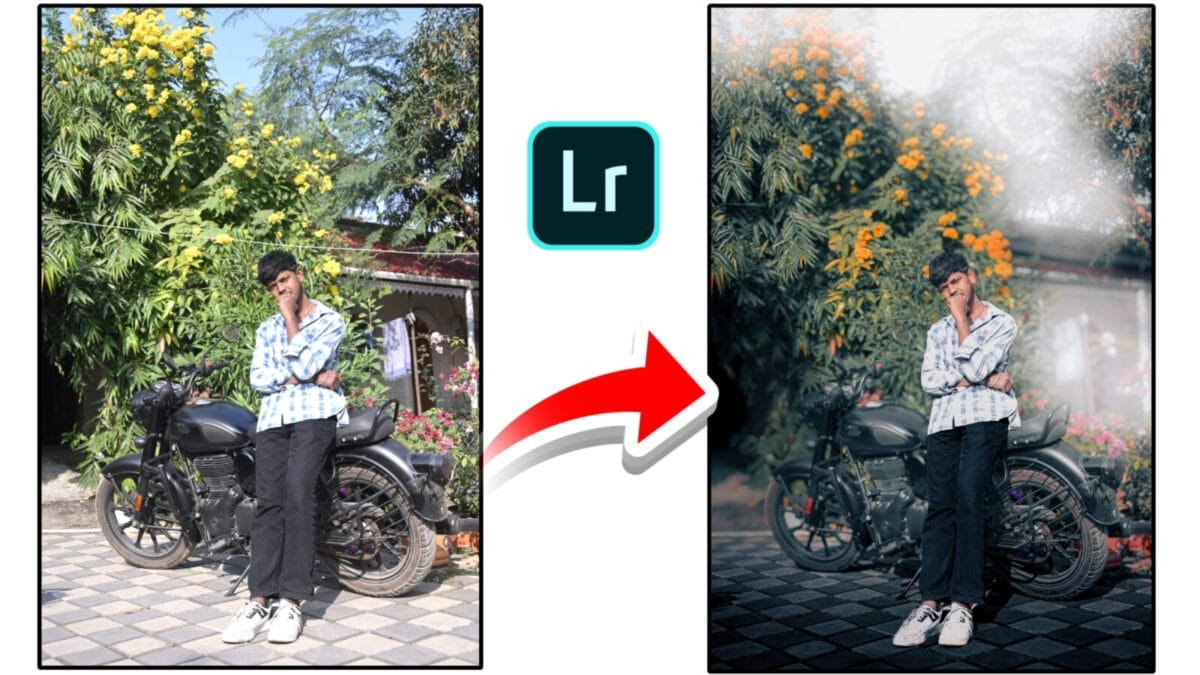
Adobe Lightroom remains the top choice for professional photographers. It offers powerful color grading, RAW editing, AI masking, presets, and cloud sync. Lightroom is known for its clean workflow and perfect catalog organization.
Key Features:
- Advanced color grading & RAW processing
- AI-based masking tools
- Denoise, Super Resolution & adaptive presets
- Mobile + desktop cloud sync
2. Adobe Photoshop
Photoshop is the most advanced photo manipulation software. It’s perfect for retouching, compositing, graphic design, and detailed pixel-level editing.

Key Features:
- Complete control over layers & masks
- AI Generative Fill
- High-end portrait retouching
- 3D mockups and graphic design tools
3. Luminar Neo
Luminar Neo is becoming popular due to its powerful AI tools that make editing fast and easy. Great for beginners and professionals who want automated yet high-quality results.
Key Features:
- AI sky replacement
- AI skin & face retouching
- AI structure and relight tools
- Preset-heavy editing workflow
4. Canva Photo Editor
Canva is ideal for social media creators, influencers, and marketers. It offers simple editing tools combined with templates for posts, banners, thumbnails, and more.
Key Features:
- Easy drag-and-drop interface
- Templates for Instagram, YouTube, posters, etc.
- AI background remover
- Text and graphic overlays
5. Snapseed (Mobile)
Snapseed is a free and powerful mobile photo editing app from Google. It offers high-quality adjustments with an intuitive touch-based interface.
Key Features:
- Selective editing tools
- Portrait enhancement options
- Curves, HDR, and grain controls
- RAW editing
6. Topaz Labs (Denoise AI & Sharpen AI)
Topaz is the best choice for noise reduction, sharpening, and upscaling images using advanced AI. It’s great for wildlife, sports, and low-light photographers.
Key Features:
- Industry-leading AI noise reduction
- Image upscaling up to 6×
- Lens blur correction
- Improves old or low-quality images
Comparison Table: Best Tools by Purpose
| Tool | Best For | Skill Level |
|---|---|---|
| Adobe Lightroom | Color grading & RAW photo editing | Beginner to Pro |
| Photoshop | Advanced retouching & manipulation | Intermediate to Pro |
| Luminar Neo | AI automated editing | Beginner |
| Canva | Social media content | Beginner |
| Snapseed | Mobile editing | Beginner to Intermediate |
| Topaz Labs | Noise reduction & sharpening | All levels |
Conclusion
Choosing the best photo editing tool depends on your style, skill level, and purpose. Professionals may prefer Lightroom and Photoshop for full control, while beginners and social media creators benefit from Canva, Snapseed, or Luminar Neo. Each tool offers unique strengths that can help you produce stunning images with ease.
Want an SEO-optimized title, meta tags, or a version tailored for your blog? Just ask — I’ll customize it.