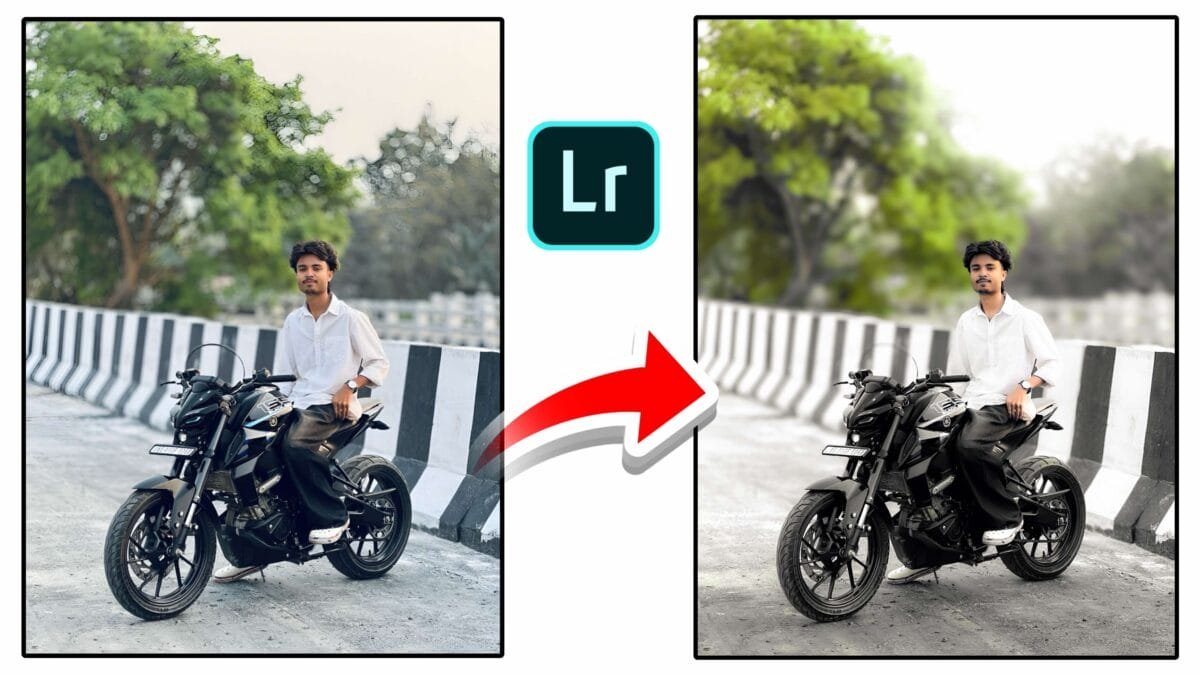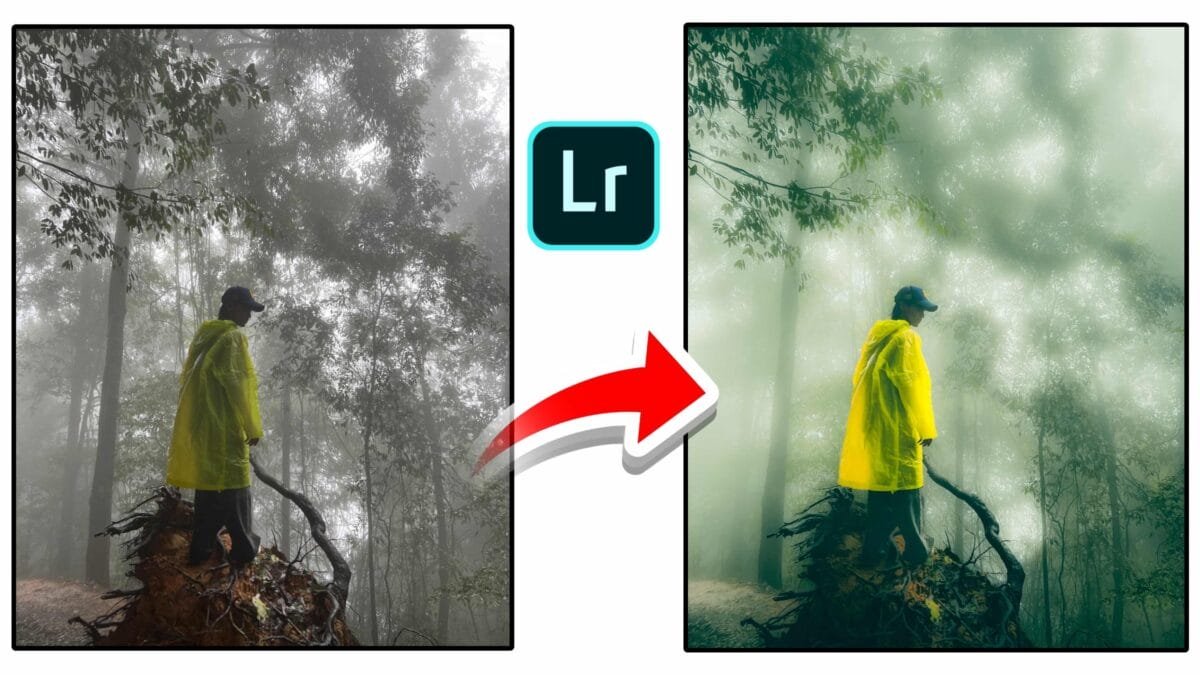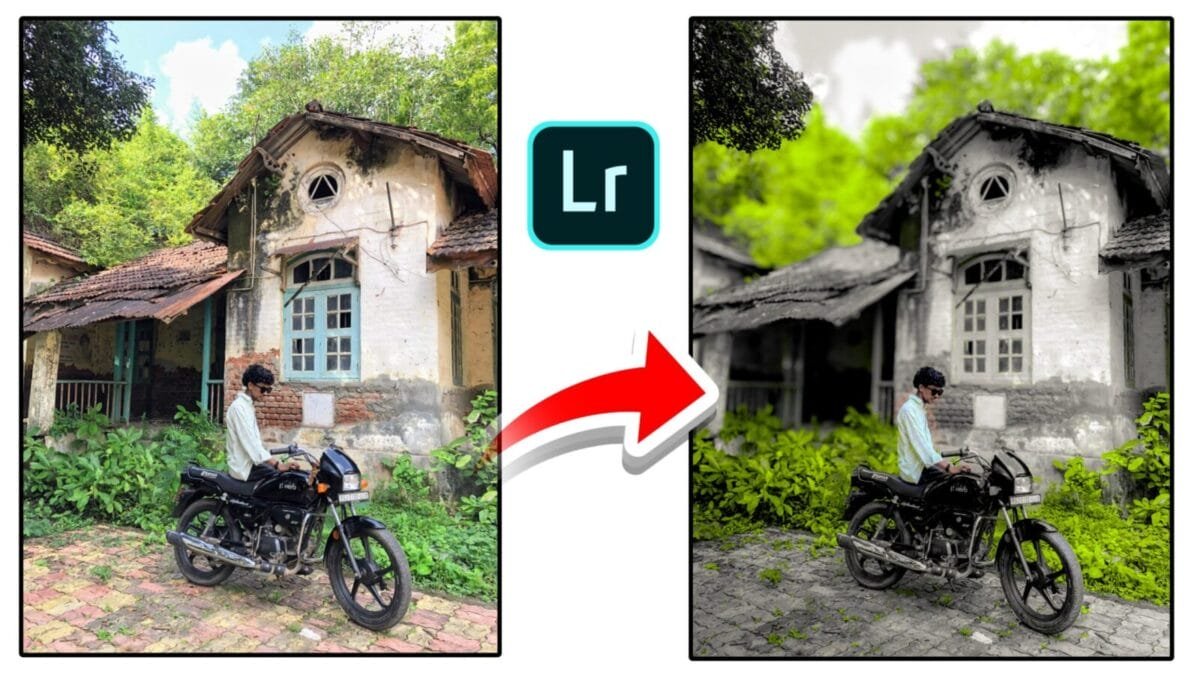
In today’s visually driven world, the difference between a good photograph and a stunning, professional-grade image often comes down to one crucial step: post-processing. Adobe Lightroom is the industry standard for this process, offering a powerful, non-destructive environment for organizing, enhancing, and transforming your photography. To truly unlock this potential, a structured and comprehensive Lightroom Editing Course is essential.
This 600-word article serves as your guide to understanding the immense value of enrolling in a professional Lightroom course, detailing what comprehensive training should include and how it can propel your photography career or hobby to the next level.
Why Invest in a Professional Lightroom Editing Course?
Many photographers attempt to learn Lightroom through scattered YouTube videos or guesswork. While helpful, this unstructured approach often leads to inefficient workflows and missed opportunities. A dedicated Lightroom Editing Course provides:
- Mastery of Workflow: Lightroom is not just an editor; it’s a powerful management system. Courses teach you how to efficiently import, organize, keyword, and cull thousands of images using the Library Module, saving you hours of searching and cataloging time.
- Non-Destructive Editing: Understanding Lightroom’s core principle of non-destructive editing is fundamental. A course ensures you use Virtual Copies and the History Panel correctly, allowing you to experiment endlessly without ever harming the original file.
- Creative Confidence: Moving beyond basic exposure and contrast, a quality course unlocks advanced tools like the Tone Curve, HSL/Color Mixer, and Color Grading wheels. This knowledge empowers you to develop a unique, consistent, and professional editing style—the hallmark of successful photographers.

Key Modules Your Lightroom Course Must Cover
A truly valuable Lightroom Editing Course for both beginners and intermediate users should cover the following essential modules, ensuring a well-rounded and immediately applicable skillset:
| Module | Core Skills Taught | SEO Keyword Integration |
|---|---|---|
| I. Foundations & Workflow | Catalog management, importing RAW files, smart previews, image organization, culling, and backup strategies. | Lightroom course for beginners, Lightroom editing workflow. |
| II. Global Adjustments | Mastering the Basic Panel (Exposure, White Balance, Contrast), the strategic use of Texture, Clarity, and Dehaze. | Lightroom editing course basic corrections, Lightroom White Balance. |
| III. Advanced Color | Detailed instruction on the HSL/Color Mixer for targeted color manipulation and the Color Grading panel (Shadows/Highlights) for cinematic toning. | Lightroom color grading tutorial, HSL panel mastery. |
| IV. Local Adjustments | Proficient use of Masking tools (Radial Gradient, Linear Gradient, Adjustment Brush) for precision edits like dodging, burning, and enhancing skies. | Lightroom masking tools, local adjustments tutorial. |
| V. Efficiency & Output | Creating and applying custom Lightroom Presets, Batch Editing (syncing settings across multiple images), and Exporting for different platforms (web, print, social media). | Lightroom Presets course, Lightroom editing course export settings. |
🚀 Future-Proof Your Skills with Specialized Training
Beyond the essentials, the best Lightroom Editing Courses often include specialized training that addresses industry needs:
- Portrait Retouching: Advanced techniques for skin smoothing, eye sharpening, and teeth whitening using Local Adjustment Brushes.
- Landscape Photography: Leveraging the Graduated Filter and Lens Corrections to correct perspective and maximize dynamic range.
- Mobile Editing: A dedicated module on Lightroom Mobile to ensure consistency across all your devices.
SEO Strategy for Lightroom Editing Course Providers
To successfully market a Lightroom Editing Course, content must be optimized for search intent. The target audience is actively looking for structured learning solutions.
- High-Intent Keywords: Focus on phrases like “Lightroom Editing Course online,” “best Lightroom course for beginners,” and “learn Lightroom editing.”
- Long-Tail Keywords: Integrate practical search terms like “how to use Lightroom Presets” and “Lightroom Tone Curve tutorial” into module descriptions.
- Actionable Content: Provide clear benefits and a curriculum outline, as potential students want to know exactly what skills they will acquire.
A high-quality Lightroom Editing Course is not an expense—it is a career investment. It streamlines your workflow, elevates your artistic expression, and transforms your everyday photos into professional works of art.
Would you like me to find reviews or comparisons of different online Lightroom Editing Courses available today?